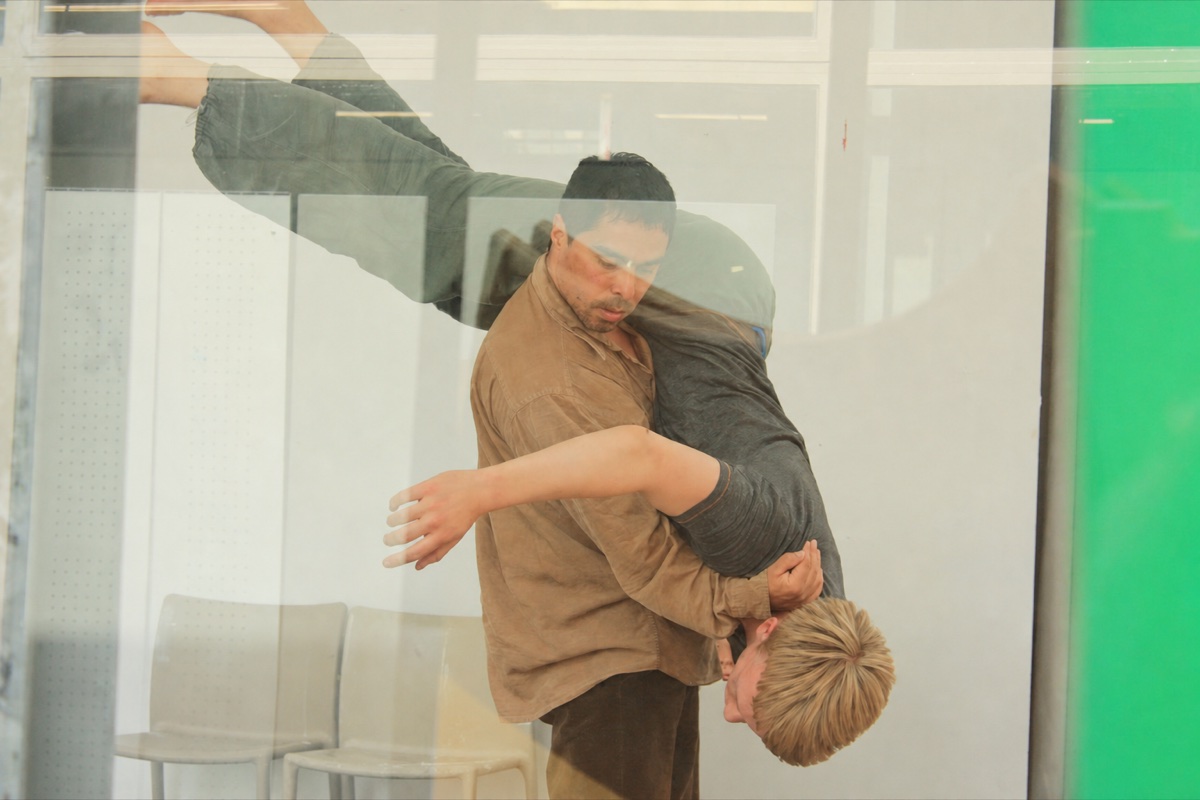
30 September 2026
Contact Improvisation workshop
with Raúl Saldarriaga
18:30–21:30 · €20
De Wending · Raamstraat 67, 2613 RW Delft ↗
 Let’s talk →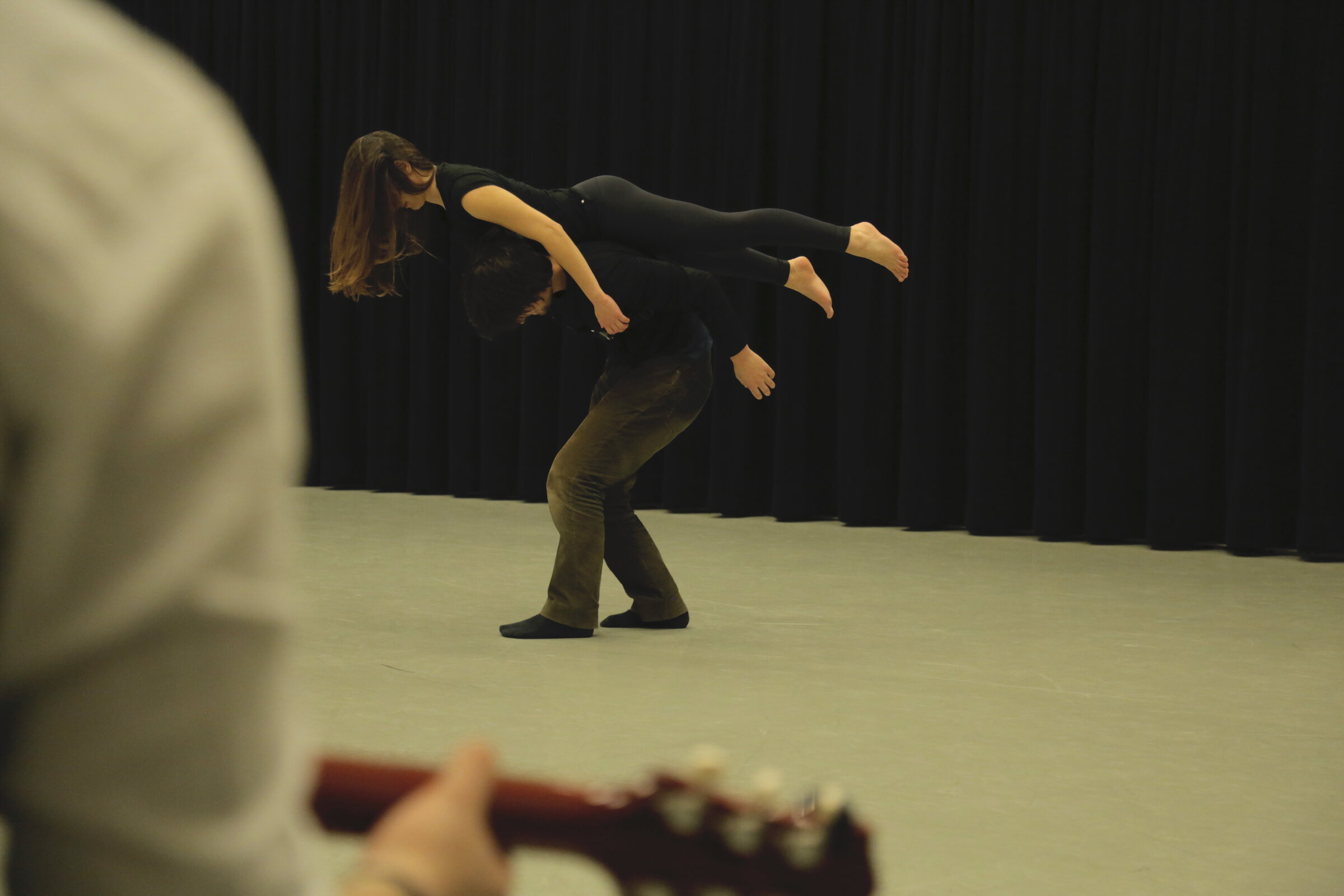
CID · Movement · Participation · September–November 2026
Classes, open jams and guest workshops. CID brings people together in Delft to explore movement, shared weight and connection.
Beginner-friendly Class + Jam evenings and extended Jam-only evenings. Choose one or more activities at €5 each.
Classes + Jam details ↗Focused encounters with invited Contact Improvisation teachers, offering new perspectives, practices and ways of moving together.
View workshops ↓Workshops · 2026
30 September 2026
with Raúl Saldarriaga
18:30–21:30 · €20
De Wending · Raamstraat 67, 2613 RW Delft ↗
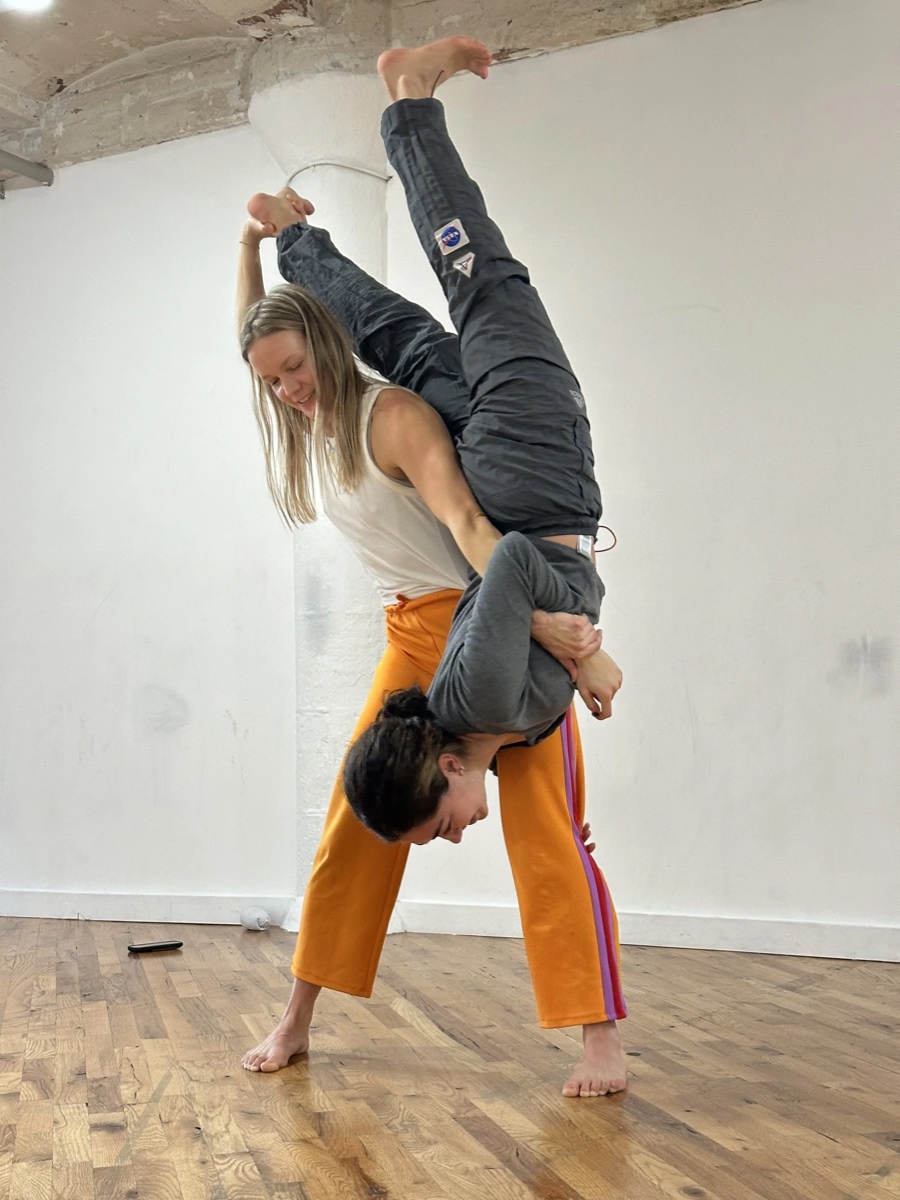
17–18 October 2026
with Leighann Kowalsky
14:00–18:00 both days · €60 total
Degas International Dance Academy · Rotterdamsweg 386 B18, 2629 HG Delft, Netherlands ↗
November 2026 · date to be announced
with Guest teacher to be announced
Full programme details coming soon
The story so far
CID is Delft's weekly contact improvisation meeting place: a recurring class and jam for practising movement, listening, play, shared weight and physical dialogue.
Contact improvisation is an improvised movement practice built around attention, touch, gravity, momentum and a changing point of contact. There are no fixed steps or prescribed roles: each dance is discovered in real time.
Alongside the weekly beginner-friendly programme, CID hosts three guest workshops during the season, creating space for focused study with experienced international teachers.
New to the form? Read About Contact Improvisation ↓About the practice
Contact improvisation, often called CI or contact, is an improvised movement practice. Dancers explore physical dialogue through touch, shared weight, balance, momentum, falling, rolling and the changing relationship with gravity.
There are no fixed steps, assigned gender roles or predetermined leader. A dance may be quiet and subtle, playful and athletic, or move between both. It can happen with one partner, several people, the floor, or without physical contact at all.
A short history
Contact improvisation emerged in the United States in 1972 through experiments initiated by dancer and choreographer Steve Paxton with a group of artists and students. Early work explored falling, impact, reflexes, support and the body's relationship with gravity.
The form developed through open practice, performance, teaching and exchange. It is now danced internationally in classes, workshops, research laboratories and community jams, while continuing to evolve through many bodies, cultures and perspectives.
The jam
A jam is an open practice space rather than a class or performance. People arrive, warm up, dance, rest, observe and rejoin according to their own rhythm. Some jams are silent, while others include recorded or live music.
At CID in Delft, the evening begins with a guided, beginner-friendly class. The open jam follows, giving everyone time to explore the material through their own dances.
Your first time
Comfortable clothes that cover the knees and shoulders, allow free movement and have no sharp zips or jewellery.
Water, curiosity and respect for your own limits. You do not need a partner or previous dance experience.
Time to arrive, guided exploration, changing partners, open dancing, observation and a shared closing.
The project
The project makes room for both physical research and social encounter: listening through weight, touch, timing, consent, and shared space.
The format
For whom
Anyone curious about contact improvisation, from complete beginners to experienced movers. The class is beginner friendly and the jam is open to everyone.
Wednesday programme, 9 sep–25 nov 2026, at De Wending, Raamstraat 67, 2613 RW Delft ↗.
Join the project
Choose one or more Class + Jam or extended Jam-only evenings. Wear comfortable clothes that allow you to move freely.
Latest updates on Instagram →Continue exploring
Next projectDelft World Music Collective→